Abstract
The Australian FinTech landscape, a dynamic and continuously evolving ecosystem, is on the precipice of significant regulatory change. As 2026 unfolds, a wave of legislative reforms aims to bolster consumer protection, promote competition, and foster innovation within this rapidly growing sector. This comprehensive article delves into the nuances of these critical reforms, providing insights into their potential impact and offering a glimpse into the future of FinTech in Australia.
Introduction
Australia has long been recognized as a global hub for FinTech innovation, attracting significant investment and fostering a vibrant start-up culture. The sector’s rapid growth, however, has outpaced the existing regulatory framework, giving rise to concerns about consumer safety, market integrity, and potential systemic risks. Recognizing these challenges, the Australian government, in collaboration with industry stakeholders, has embarked on an ambitious journey to reform FinTech legislation in 2026.
This article examines the key drivers behind these reforms, analyzes the core areas of legislative changes, and explores the anticipated implications for FinTech companies, consumers, and the broader financial services industry. We will also discuss the role of regulatory sandboxes, the emergence of open banking, and the ongoing debate surrounding digital identity, all of which are intertwining with the broader FinTech legislative landscape.
The Drivers of Reform: Balancing Innovation and Stability
The impetus behind the FinTech legislative reforms in 2026 is rooted in a desire to strike a balance between promoting innovation and ensuring the stability and integrity of the financial system. Several key factors are driving this reform agenda:
- Evolving Technology: The rapid advancement of technologies like artificial intelligence (AI), machine learning, blockchain, and decentralized finance (DeFi) is creating new challenges and opportunities. Existing regulations often struggle to address the novel risks associated with these technologies.
- Consumer Protection: The increased adoption of FinTech services by consumers, particularly those in vulnerable populations, highlights the need for robust consumer protection measures. This includes addressing concerns about data privacy, predatory lending, and the transparency of financial advice.
- Market Competition: The dominance of traditional financial institutions can stifle innovation and limit consumer choice. The reforms aim to promote greater competition by lowering entry barriers for new FinTech players and facilitating interoperability.
- Global Regulatory Alignment: Australia is actively participating in international efforts to develop common regulatory frameworks for FinTech. Aligning Australian regulations with global standards is essential to maintain the country’s attractiveness as a FinTech hub and to mitigate cross-border risks.
Key Areas of Legislative Reform in 2026
The 2026 reforms are focused on several critical areas that directly impact the FinTech ecosystem. These include:
- Open Banking and the Consumer Data Right (CDR): The extension of the CDR to new sectors, including superannuation, insurance, and energy, will further empower consumers and promote competition. The reforms will likely include clearer data sharing standards, enhanced security protocols, and strengthened consumer consent mechanisms.
- Digital Identity: The development of a secure and interoperable digital identity framework is crucial for facilitating seamless and secure digital transactions. The reforms are expected to establish a robust regulatory framework for digital identity providers, ensuring data privacy and security.
- Payments System Regulation: The proliferation of digital payments platforms is necessitating changes to the Payment Systems (Regulation) Act. The reforms will aim to improve payment system access, enhance consumer protection, and address potential risks associated with new payment technologies.
- RegTech and Compliance: The increasing complexity of financial regulations is driving the adoption of Regulatory Technology (RegTech). The reforms may encourage the use of RegTech solutions and establish frameworks for the validation and certification of such tools.
- AI and Ethical Frameworks: The deployment of AI in financial services raises ethical considerations related to bias, transparency, and accountability. The reforms might introduce requirements for the ethical use of AI, including transparency guidelines and fairness assessments.
- Crypto-assets and Decentralized Finance (DeFi): The growing popular of crypto-assets and DeFi presents unique regulatory challenges. The reforms are likely to focus on consumer protection, market integrity, and preventing illicit activities while also fostering a conductive environment for responsible innovation.
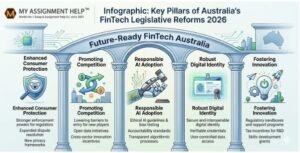
The Implications of Reform: Shaping the Future of FinTech
The legislative reforms in 2026 are expected to have a profound impact on the Australian FinTech landscape. These implications extend beyond immediate regulatory compliance, shaping the future of the sector in several ways:
- Boosted Consumer Confidence: Strengthened consumer protection measures and enhanced transparency will instill greater trust in FinTech services, potentially driving wider adoption.
- Accelerated Innovation: Clearer regulatory frameworks and regulatory sandboxes can provide a supportive environment for innovation, encouraging the development of new products and services.
- Greater Market Competition: Lowered entry barriers and interoperability standards can foster a more competitive market, benefiting consumers through improved choice and lower costs.
- Increased Investment: A stable and robust regulatory environment can attract significant investment from both domestic and international sources, fueling the growth of the Australian FinTech sector.
- Global Recognition: The adoption of internationally aligned regulatory standards can enhance Australia’s reputation as a leader in FinTech innovation and regulatory best practices.
The Role of Regulatory Sandboxes and Collaboration
To effectively balance innovation and stability, regulatory sandboxes play a crucial role. These initiatives allow FinTech companies to test their innovative products and services in a controlled environment, under the supervision of regulators. The 2026 reforms are likely to see the expansion of regulatory sandboxes, with enhanced support and clearer pathways for scaling successful innovations.
Furthermore, ongoing collaboration between government, regulators, industry associations, and academic institutions is essential to ensure that the legislative reforms are practical, effective, and responsive to the evolving needs of the FinTech sector. This multi-stakeholder approach can help identify emerging risks, develop robust regulatory standards, and promote responsible innovation.
Navigating the Complexities: The Need for Expert Guidance
The legislative changes in 2026 are complex and far-reaching, requiring FinTech companies to stay abreast of the evolving regulatory landscape. For businesses grappling with the intricacies of compliance, seeking expert guidance can be vital. While navigating these changes, remember that understanding legal principles is foundational, much like how specialized knowledge in areas like contract law assignment help can be crucial for students in their academic journey.
Addressing Potential Challenges and Concerns
While the proposed reforms are overwhelmingly positive, several challenges and concerns need careful consideration:
- Balancing Innovation and Regulation: Striking the right balance is crucial. Over-regulation can stifle innovation, while under-regulation can lead to market instability and consumer harm.
- Cost of Compliance: Enhanced regulatory requirements can increase compliance costs, particularly for early-stage FinTech companies. It is important to design regulations that are proportionate to the risks involved.
- Talent Shortage: The rapid growth of the FinTech sector has led to a shortage of skilled professionals with expertise in both finance and technology. Developing a pipeline of skilled talent is essential to support the sector’s growth.
- Cross-Border Interoperability: Ensuring that Australian FinTech regulations are interoperable with those in other jurisdictions is essential to facilitate cross-border innovation and growth.
Looking Ahead: The Long-Term Vision for FinTech in Australia
The legislative reforms in 2026 mark a significant step towards creating a robust and future-ready regulatory framework for the Australian FinTech sector. Beyond immediate reforms, the government’s long-term vision includes:
- Fostering a Culture of Responsible Innovation: Promoting ethical practices and consumer-centric product development.
- Developing Australia as a Global FinTech Hub: Attracting investment, talent, and fostering international collaborations.
- Harnessing the Potential of Emerging Technologies: Exploring the benefits and risks of emerging technologies like AI, blockchain, and quantum computing.
- Ensuring FinTech Benefits All Australians: Promoting financial inclusion and accessibility.
Conclusion
Australia’s FinTech legislative reforms in 2026 signify a landmark shift in the country’s approach to financial innovation. By prioritizing consumer protection, competition, and responsible innovation, these reforms aim to create a dynamic and stable ecosystem where FinTech can thrive. As the industry navigates this period of change, continuous engagement between regulators, industry, and consumers will be essential to ensure that the regulatory framework remains adaptive and effective in an ever-evolving digital landscape. For those students researching these developments, if you find yourself struggling with your academic workload, remember that you can always seek help like “do my assignment”. If you’re overwhelmed with coursework on topics like these, services like “do my assignment” can offer valuable support. While navigating these changes, remember that professional services, much like asking to “do my assignment,” can provide support in various fields, but understanding the legal foundation remains paramount.
Key Takeaways
- Australia is undertaking significant FinTech legislative reforms in 2026.
- The reforms aim to balance innovation, consumer protection, and market stability.
- Key areas of focus include open banking, digital identity, payments system regulation, RegTech, AI, and crypto-assets.
- Implications include increased consumer confidence, accelerated innovation, and enhanced global standing.
- Regulatory sandboxes and collaboration are crucial for effective implementation.
- Navigating the reforms requires expert guidance and a strong legal understanding.
Author’s Bio
Jane Doe is a senior content writer at MyAssignmentHelp.com with extensive experience in financial services and regulatory analysis. With a keen interest in emerging technologies, she holds a Master’s degree in Financial Law and has written extensively on topics ranging from open banking to digital identity. Her insightful analysis aims to provide practical guidance to businesses and individuals navigating the complex world of finance and law.
FAQs
1. What are the key objectives of the 2026 FinTech legislative reforms?
The primary objectives are to enhance consumer protection, promote competition, foster innovation, ensure financial stability, and align with global regulatory standards.
2. How will the reforms impact existing FinTech companies?
FinTech companies will need to adapt their compliance programs to the new regulations. While it might increase costs, it can also create opportunities by providing a clearer regulatory pathway and fostering consumer trust.
3. What is the Consumer Data Right (CDR) and how will it be extended?
The CDR allows consumers to securely share their data with authorized third parties. The 2026 reforms aim to extend the CDR to new sectors, giving consumers greater control over their financial information.
4. How will the reforms address risks associated with emerging technologies like AI and crypto-assets?
The reforms will likely introduce requirements for ethical AI use and establish frameworks for the regulation of crypto-assets and DeFi, focusing on consumer protection and mitigating systemic risks.
5. What is the role of regulatory sandboxes in the reform process?
Regulatory sandboxes allow FinTech companies to test their innovations in a controlled environment under regulator supervision, helping regulators understand new technologies and businesses test their products before full market entry.
Sources and References
- Australian Government, The Treasury. (2025). Strategic Review of the Australian Payments System. Canberra, ACT: Commonwealth of Australia.
- Reserve Bank of Australia. (2025). Financial Stability Review. Sydney, NSW: Reserve Bank of Australia.
- Australian Securities & Investments Commission (ASIC). (2025). FinTech and RegTech: Key Trends and Regulatory Considerations. Sydney, NSW: ASIC.
- FinTech Australia. (2025). FinTech Australia Census. Sydney, NSW: FinTech Australia.
- World Economic Forum. (2025). Global FinTech Regulatory Hub. Geneva, Switzerland: World Economic Forum.
- Organization for Economic Co-operation and Development (OECD). (2025). FinTech and Financial Services: Regulatory Approaches. Paris, France: OECD Publishing.